
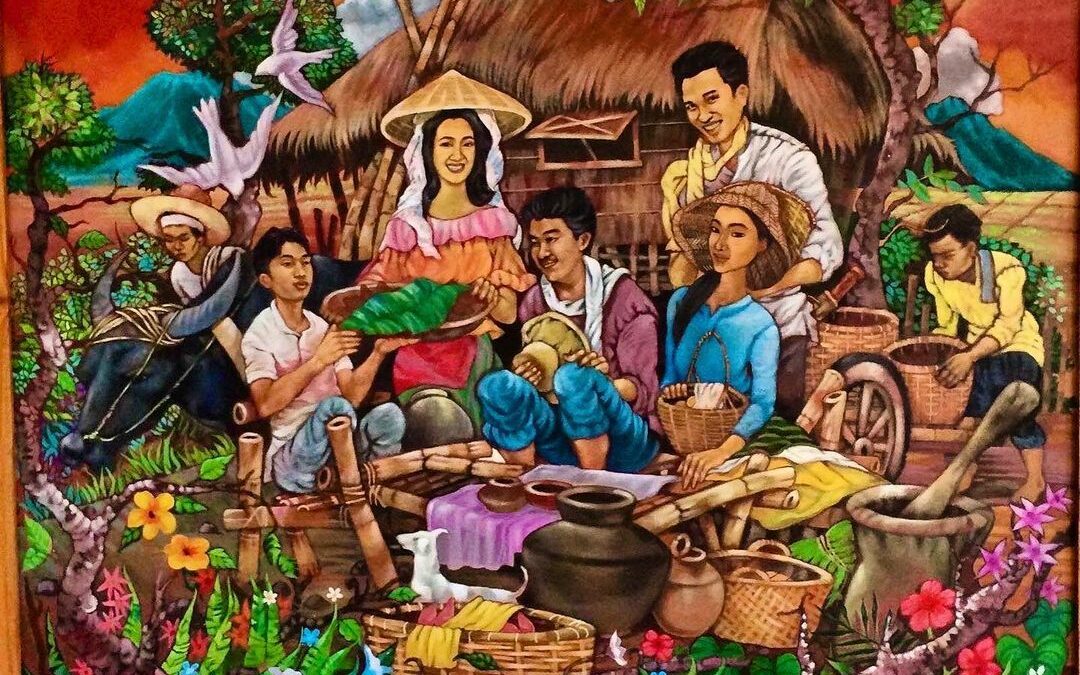
In the heart of Filipino tradition lies a beautiful, respectful, and deeply symbolic practice known as pamamanhikan—a formal visit by the groom and his family to the bride’s home to ask for her hand in marriage. While rooted in centuries-old customs, pamamanhikan continues to evolve, especially among Filipino-Canadian families navigating life in multicultural cities like Surrey, BC. This blog explores the meaning of pamamanhikan today, its cultural significance, and how it’s being reimagined by the Filipino diaspora.
🇵🇭 What Is Pamamanhikan?
Pamamanhikan is more than just a marriage proposal—it’s a ceremonial gesture of unity, respect, and family bonding.
- Traditionally, the groom’s family visits the bride’s home to formally ask for her hand in marriage.
- It’s a chance for both families to meet, discuss wedding plans, and affirm their support.
- Food plays a central role, often with a shared meal symbolizing harmony and hospitality.
In Tagalog, “panhik” means “to go up”—a metaphor for entering someone’s home and life with humility.
🌎 Pamamanhikan in the Filipino-Canadian Context
In Canada, especially in diverse communities like Surrey, pamamanhikan takes on new layers of meaning.
- Blending cultures: Filipino families may incorporate Canadian customs like engagement parties or formal dinners.
- Flexible formats: Some families opt for virtual pamamanhikan due to distance or scheduling.
- Inclusive gatherings: Multicultural in-laws are welcomed into the tradition, often learning about Filipino values firsthand.
Modern pamamanhikan is less about rigid rituals and more about meaningful connection.
👨👩👧👦 Why It Still Matters
Even in a fast-paced, globalized world, pamamanhikan remains a cherished tradition for many Filipino-Canadian families.
- It honors elders: Showing respect to parents and grandparents is central to Filipino values.
- It builds bridges: The practice fosters unity between families, setting the tone for a harmonious marriage.
- It preserves heritage: Pamamanhikan is a living link to Filipino identity, even across generations and borders.
For many, it’s a moment of pride—a way to celebrate love while staying rooted in culture.
🍲 The Role of Food and Hospitality
No pamamanhikan is complete without a feast. In Surrey, Filipino families often prepare traditional dishes like:
- Lechon kawali (crispy pork belly)
- Pancit (noodles symbolizing long life)
- Kakanin (sweet rice desserts)
- Lumpia (Filipino spring rolls)
Food isn’t just nourishment—it’s a language of love and welcome.
💬 Voices from the Community
“When my son did pamamanhikan, it was emotional. Even though we’re in Canada, it felt like home.” — Luz, SFCSBC member and proud Filipina mom
“We invited my daughter’s Canadian fiancé and his family. They were touched by the tradition and loved the food!” — Mario, SFCSBC volunteer
Pamamanhikan may look different today, but its heart remains the same: a celebration of love, family, and respect. For Filipino-Canadian families in Surrey, it’s a way to honor tradition while embracing the future. Whether held in a living room, a restaurant, or over Zoom, pamamanhikan continues to be a meaningful rite of passage—one that bridges generations, cultures, and hearts.
At SFCSBC, we celebrate traditions like pamamanhikan as part of our mission to preserve Filipino heritage and strengthen community ties. Want to share your own pamamanhikan story or learn how to host one? Reach out—we’d love to hear from you.